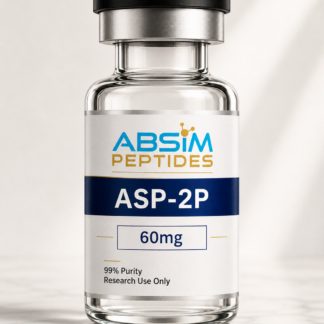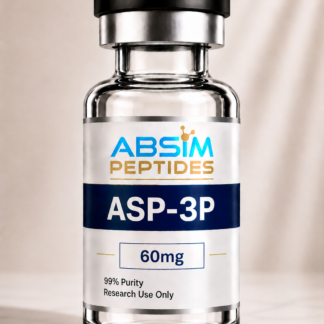
Peptides don’t all have the same storage requirements. Dry, lyophilized peptides are typically stored differently from reconstituted ones, and the right storage conditions help maintain product quality over time.
This guide explains how to store both forms, what factors can affect peptide stability, and why following the manufacturer’s recommendations is an important part of handling research materials.
Why Proper Peptide Storage Matters
Proper storage helps maintain peptide quality over time. Temperature, moisture, and light can affect peptide stability, which is why manufacturers provide storage recommendations for each product.
Storage requirements also change depending on whether a peptide is dry or has been reconstituted. A lyophilized peptide is generally more stable because the water has been removed, while a reconstituted peptide requires additional care to help maintain its quality.
Following the manufacturer’s instructions is the best way to store peptides and reduce unnecessary exposure to conditions that may affect the material.
How to Store Dry (Lyophilized) Peptides
Most research peptides are supplied in a dry, freeze-dried form known as lyophilized. Removing water improves stability, making dry peptides better suited for storage and transport before reconstitution.
For best preservation, store dry peptides under refrigerated or frozen conditions and protect them from bright light, although storage recommendations may vary by peptide and manufacturer.
Even in dry form, store peptides according to the manufacturer’s recommendations. Temperature, moisture, and light can all influence long-term stability.
Temperature
Temperature plays an important role in peptide storage because different peptides may have different stability requirements.
Instead of storing every peptide the same way, follow the storage recommendations for the specific product. Avoid exposing peptide vials to excessive heat or unnecessary temperature changes, as these conditions may affect peptide stability over time.
Protecting Peptides from Light and Moisture
Keeping peptides protected from moisture and direct light helps maintain their quality during storage.
Store dry peptide vials in a clean, dry environment and keep them sealed until they’re ready to be reconstituted. Limiting unnecessary exposure to humidity and light helps preserve the material under the recommended storage conditions.
Keeping Peptides in Their Original Vial
The original vial is designed to help protect the peptide during storage while keeping important product information together.
Leaving the peptide in its original vial also makes it easy to reference the batch number, Certificate of Analysis (COA), and storage recommendations whenever needed.
How to Store Reconstituted Peptides
Once a peptide has been reconstituted, its storage requirements change. Because the peptide is now in solution, manufacturers often recommend different storage conditions than those used for the dry, lyophilized form.
Always review the product documentation before storing a reconstituted peptide. Storage recommendations vary by peptide and the solution used during reconstitution.
Refrigeration
Many reconstituted peptides are stored under refrigerated conditions, but storage recommendations vary by product.
Rather than relying on general advice, follow the manufacturer’s instructions for the specific peptide you’re handling. If you’re preparing a peptide for research, using the right storage conditions helps maintain the material’s quality.
Avoiding Temperature Fluctuations
Repeated temperature changes can affect peptide stability over time.
Once you place a peptide in its recommended storage environment, avoid moving it between temperatures more often than necessary. Consistent storage conditions help protect the material throughout its intended storage period.
Following Storage Recommendations
No single storage recommendation applies to every peptide.
Different peptides may have different stability profiles, which is why manufacturers provide product-specific guidance. Following those recommendations is the most reliable way to store a peptide before it’s used in research.
What Affects Peptide Stability and Shelf Life?
Several factors can influence how well a peptide maintains its quality during storage. While proper handling is important, the peptide’s form, storage conditions, and overall product quality also play a role.
Dry vs. Reconstituted Peptides
Dry peptides are generally more stable because they contain very little moisture. Once a peptide is reconstituted, it typically requires more controlled storage conditions to maintain stability.
This is why manufacturers often provide different recommendations for dry and reconstituted peptides.
Storage Conditions
Temperature, light, and moisture all contribute to peptide stability.
Following the recommended storage conditions and limiting unnecessary exposure to environmental changes helps protect peptide quality throughout storage.
Product Quality
Proper storage starts with a quality product.
Reliable manufacturers provide storage recommendations, batch-specific documentation, and Certificates of Analysis (COAs) to help customers properly handle their peptides from the time they receive them.
Common Peptide Storage Mistakes
Proper peptide storage isn’t just about choosing the right temperature. Small handling mistakes can also affect how well a peptide maintains its quality over time.
Assuming Every Peptide Has the Same Storage Requirements
Storage recommendations can vary depending on the peptide and whether it’s dry or reconstituted. Rather than following a general rule, always check the manufacturer’s instructions for the specific product.
Leaving Reconstituted Peptides Outside Their Recommended Storage Conditions
Once a peptide is reconstituted, it may require different storage conditions than in its lyophilized form. Returning the peptide to its recommended storage environment after handling helps maintain consistent conditions.
Exposing Peptides to Heat, Light, or Moisture
Environmental conditions matter. Leaving peptide vials in direct sunlight, humid areas, or excessively hot locations can affect product stability over time.
Transferring Peptides to a Different Container
The original vial is designed to protect the peptide while keeping important information, such as the batch number and storage recommendations, with the product. Unnecessary transfers can increase handling and make it harder to identify the correct batch.
Shop Research-Grade Peptides at ABSIM
Proper storage begins with quality products and clear documentation. Knowing how to store dry and reconstituted peptides helps protect the material, but access to product-specific storage recommendations matters just as much.
At ABSIM Peptides, every research-grade peptide includes detailed product information to help you compare products confidently and follow recommended handling guidelines. Browse our peptide collection and find the materials that fit your research needs.
Sources
- National Institute for Biological Standards and Control (NIBSC). “Peptide Storage.” NIBSC. Accessed September 10, 2026. https://nibsc.org/science_and_research/virology/cjd_resource_centre/available_samples/peptide_library/peptide_storage.aspx